
 Menu
Menu

Physical Therapy in Fremont: What to Expect During Your First Visit
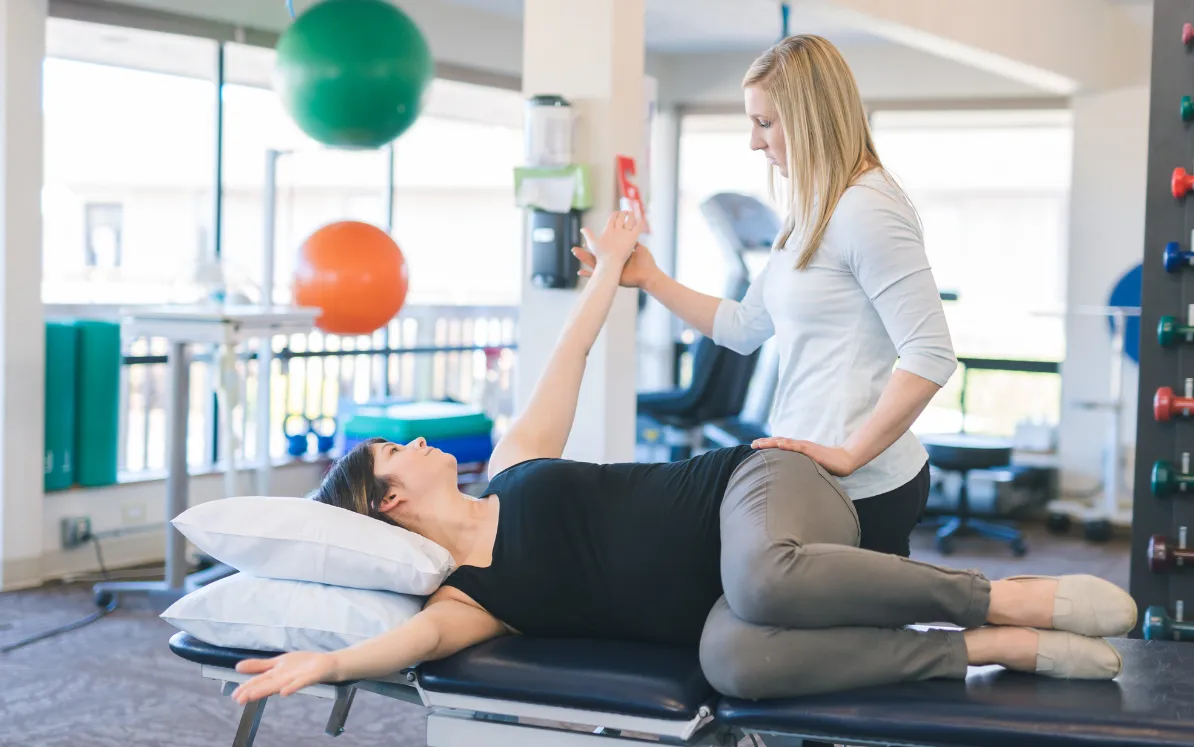
Your first physical therapy visit in Fremont, California typically lasts 60 to 90 minutes. It begins with a detailed intake conversation about your medical history and current symptoms, followed by a hands-on physical evaluation. From there, your therapist builds a personalized treatment plan. You won't just be handed a sheet of exercises and sent home; a good first appointment is thorough, conversational, and gives you a clear picture of what recovery will actually look like.
Why Your First PT Visit Matters More Than You Think
Most people walking into physical therapy for the first time don't know what they're in for. Some expect it to feel like a gym session. Others assume it'll be passive - lie on a table, get some heat applied and go home. The reality is more involved and, honestly, more useful than either of those pictures.
Whether you're coming in after a sports injury, a surgery, a car accident, or just dealing with chronic pain that's been quietly limiting your life, the first visit is where the foundation gets laid. For residents across Fremont - from the neighborhoods around Mowry Avenue to those closer to Warm Springs or Irvington - having a realistic sense of what to expect means you arrive prepared, informed, and ready to participate.
Before You Walk Through the Door
What to Bring to Your First Appointment
Preparation makes a real difference. Bring the following to your first session:
Photo ID and insurance card - including Medicare or Medi-Cal cards if applicable
Physician referral or prescription - not always required, but many insurers ask for it
Relevant imaging - X-rays, MRI reports, or surgical notes if you have them
A list of current medications, particularly any pain management or anti-inflammatory drugs
Comfortable, loose-fitting clothing - your therapist will need access to the affected area
If you're not sure whether your insurance covers physical therapy, call ahead. Most clinics near Mowry Avenue and throughout central Fremont have front-desk staff who can verify benefits before your appointment, which saves you from surprises on the billing side.
Does Medicare Cover Physical Therapy in Fremont?
This is one of the most common questions asked at front desks, and it deserves a direct answer. Medicare Part B does cover outpatient physical therapy services, including those provided at independent PT clinics in Fremont. Coverage applies when the treatment is considered medically necessary and prescribed by a physician or qualified healthcare provider.
There is no longer a hard annual dollar cap on Medicare outpatient therapy, but there is a threshold — currently around $2,230 — above which your clinic must apply a medical necessity exception. This is routine and shouldn't interrupt your care. If you're on a Medicare Advantage plan through a carrier like Blue Shield or Aetna, your specific benefits will vary, so confirming with both your plan and your clinic before starting is worth a few minutes of your time.
What Happens During the First Visit
The Intake Evaluation
The session begins with paperwork and a structured conversation. Your therapist — not an aide, not a tech — will sit down with you and go through your history in detail. They want to understand not just where it hurts, but when it started, what makes it worse, what makes it better, how it's affecting your daily routine, and what your goals are.
That last part matters more than people expect. A 68-year-old Medicare patient recovering from knee replacement surgery has different goals than a 24-year-old soccer player with a sprained ankle. A wellness physical therapy approach looks different from an acute injury protocol. Your therapist needs to understand your life context, not just your diagnosis.
Be honest and specific during this intake. The more detail you give, the more targeted the treatment plan will be.
The Physical Examination
After the intake conversation, your therapist conducts a hands-on assessment. Depending on your condition, this typically includes the following:
Range of motion testing - how far and freely a joint or muscle group moves
Strength testing - manual resistance tests to identify weakness patterns
Postural and alignment assessment - how your body compensates for an injury or weakness
Palpation - hands-on assessment of soft tissue tension, trigger points, and joint mobility
Functional movement screening - watching you walk, squat, reach, or perform a task relevant to your complaint
For sports injury cases in Fremont - whether you're a competitive athlete at American High School, a weekend warrior playing recreational volleyball in Central Park, or someone dealing with a running overuse injury - the functional movement component of this exam is particularly informative. It often reveals contributing factors well upstream of the reported pain location.
Your Treatment Plan
By the end of the first session, your therapist should have enough information to give you a working treatment plan. This doesn't mean every session is mapped out to the minute, but you should leave with a reasonable sense of the following:
How many sessions per week are recommended
The anticipated duration of care (weeks or months)
What modalities will be used (manual therapy, therapeutic exercise, dry needling, etc.)
What you can and should be doing at home between sessions
How progress will be measured over time
A clear plan matters — both for your own confidence in the process and for insurance purposes. Medicare and most commercial insurers require documented functional goals and measurable progress to continue authorizing sessions.
What Does a Physical Therapy Treatment Plan Look Like?
Common Conditions Treated at Fremont Physical Therapy Clinics
Physical therapy near Mowry Avenue and throughout Fremont covers a wide range of conditions. These are among the most frequently treated:
Lower back pain - the most common reason adults seek PT in the United States
Post-surgical rehabilitation - knee replacement, rotator cuff repair, hip arthroplasty
Sports injuries - ligament sprains, muscle strains, tendinopathies, stress fractures
Neck pain and headaches - including cervicogenic headache from joint and muscle dysfunction
Balance and fall prevention - particularly important for older adults in the community
Neurological conditions - stroke recovery, Parkinson's disease, multiple sclerosis
Pelvic floor dysfunction - increasingly offered at wellness-focused PT clinics
Chronic pain management - fibromyalgia, complex regional pain syndrome, and similar conditions
If you're unsure whether your condition is appropriate for physical therapy, the best course is to call a local clinic and describe your situation. Fremont has several practices that offer free phone consultations to help prospective patients decide whether PT is the right starting point.
Sports Injury Therapy in Fremont: What Athletes Should Know
Fremont's athletic community is active. Between Mission San Jose's competitive high school sports programs, the youth leagues at Fremont Sports Center, and the adult recreational scene across the city, sports injury therapy is in consistent demand here.
For athletes, the first PT visit after an injury involves a more sport-specific evaluation. Your therapist will likely want to know your training load, your sport's movement demands, your competition schedule, and your return-to-play timeline goals. This shapes everything from how aggressively the early sessions are paced to what functional milestones mark readiness to return.
Tissue healing follows biology, not schedules. A good sports injury therapist in Fremont will be honest with you about realistic timelines rather than telling you what you want to hear — and that honesty usually results in safer, faster returns than rushed approaches.
dedicated sports injury rehab service page or a "Return to Sport" protocol
Wellness Physical Therapy: Beyond Just Injury Recovery
Not everyone walking into a PT clinic in Fremont is recovering from something. Wellness physical therapy is a growing area of practice focused on maintaining function, preventing injury, and optimizing movement patterns before problems develop.
This is particularly relevant for active older adults in Fremont's 55-plus communities, desk workers dealing with postural strain from long hours in front of screens, and anyone who wants to stay ahead of the cumulative wear that builds up over years of physical activity or sedentary work.
A wellness-focused first visit looks somewhat different from an acute care evaluation — it's less about diagnosing a problem and more about establishing a functional baseline and identifying movement patterns that, left unchecked, tend to develop into injuries down the line.
FAQ: Physical Therapy in Fremont, California
Do I need a doctor's referral for physical therapy in Fremont?
California is a direct access state, which means you can see a physical therapist without a physician referral for up to 45 calendar days or 12 visits — whichever comes first. After that, a referral is required to continue. Some insurers still require a referral for reimbursement purposes, so check with your plan before booking.
How long does a typical PT session last after the first visit?
Follow-up sessions are usually 45 to 60 minutes. The first visit is longer because of the evaluation component. Some clinics offer 30-minute maintenance sessions once a patient is progressing well.
Will physical therapy hurt?
Some discomfort is normal, particularly when working through restricted tissue or early post-surgical soreness. But pain that's sharp, shooting, or significantly worse after a session is worth flagging with your therapist. Good PT pushes your limits progressively — it doesn't leave you significantly worse than when you walked in.
How many PT sessions will I need?
It depends entirely on the condition, its severity, your general health, and how consistently you do your home program. Acute sports injuries may resolve in 6–10 sessions. Post-surgical rehab can run 3–6 months. Chronic pain conditions are managed over longer timelines with functional goals guiding the pace.
Is physical therapy near Mowry Avenue easy to access by public transit?
Several PT clinics along the Mowry Avenue corridor in Fremont are accessible by AC Transit bus lines. The Fremont BART station is also within a reasonable distance of many central Fremont clinics — call ahead to confirm proximity and parking availability.
Can I continue PT if I turn 65 and switch to Medicare mid-treatment?
Yes. Your care can continue without interruption as long as the clinic accepts Medicare (most do) and your condition still meets medical necessity criteria. Your therapist will update your documentation to reflect the coverage change.
Conclusion
Walking into your first physical therapy session in Fremont, California doesn't have to feel uncertain. The evaluation is thorough but not intimidating. The treatment plan is collaborative, not handed down from above. And whether you're dealing with a fresh sports injury, recovering from surgery, managing a chronic condition, or just investing in your long-term physical function, the process starts the same way — with an honest conversation and a careful look at how your body is moving.
Find a clinic that gives you time, explains things clearly, and measures progress against goals that actually matter to your life. That's what good physical therapy looks like, whether you're coming in on a Medicare plan, a PPO, or out of pocket.


