
 Menu
Menu

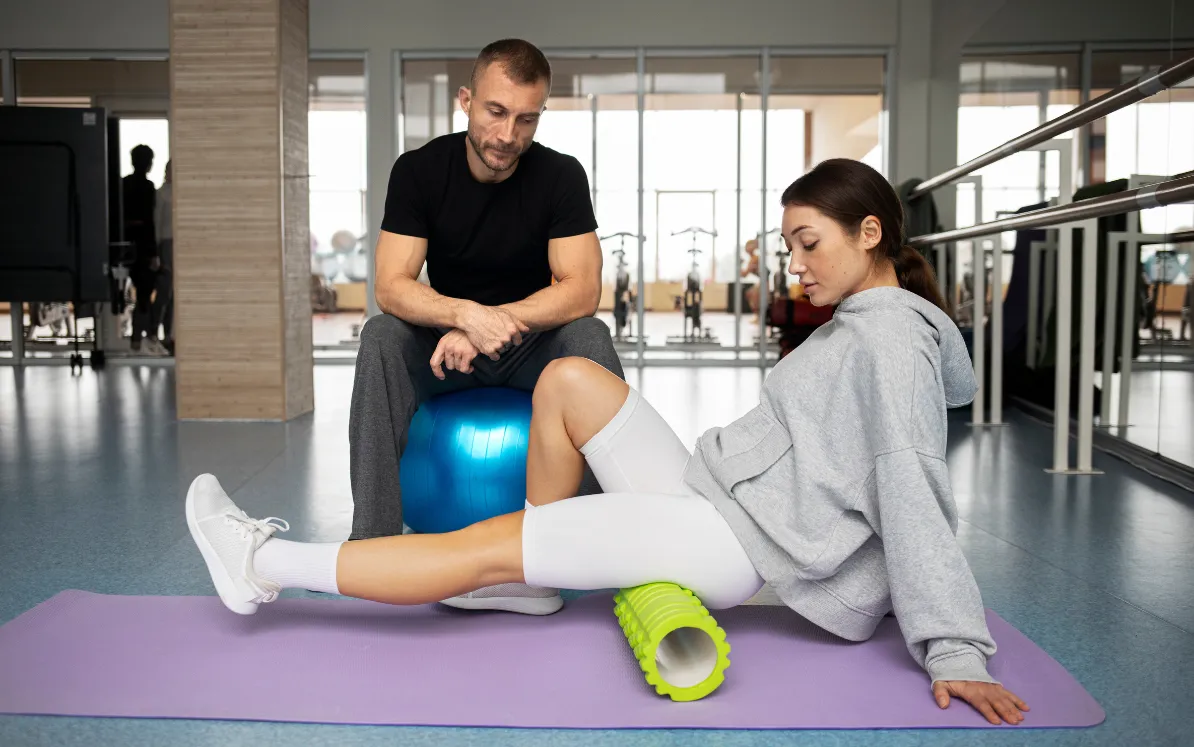
How Manual Therapy Helps Improve Mobility After Sports Injuries
Whether it's a pro athlete or a recreational exercise enthusiast, sports injuries can happen to everyone. They can be caused by sudden impact or by repetitive strain and overuse and frequently lead to pain, stiffness and loss of movement that has an impact on everyday life. To recover successfully, it's not enough to wait for the body to heal. A rehab program based on a structure helps to restore movement, scale back aches and cut back the risk of future injuries.
Manual therapy is a very effective, hands-on treatment method that not only improves joint function but also releases muscle tensions which aids in the body's natural healing process. Manual therapy is an effective, hands-on technique that uses special therapy techniques and personalized rehabilitative strategies to enhance mobility and accelerate recovery by experienced physiotherapists. Manual therapy can be particularly beneficial to some patients attending a sports injuries clinic as part of a wider sports injuries treatment program concentrating on strengthening, loosening and restoring confidence in movement. This combined with evidence-based rehabilitation will support long-term physical health and bring people back home to the activity they desire, safely.
What Is Manual Therapy?
Manual therapy is a specialized physiotherapy technique that is applied with a skilled hands-on approach to evaluate and treat muscles, joints, ligaments and other soft tissues. Physiotherapists use controlled motion to restore normal function, decrease stiffness and increase mobility, instead of just relying on an exercise machine or any exercise equipment.
This treatment can include joint mobilization, soft tissue mobilization, stretching techniques, and manipulation of the tissue or very gentle techniques when medically indicated. These techniques are chosen based on the patient's condition, symptoms, and goals for recovery.
Manual therapy rarely is used as a stand-alone approach. Rather, it is a component of an overall rehabilitation plan designed to incorporate therapeutic exercise, postural education, patient education, and the re-learning and correction of patient movement. This allows patients to recover better while decreasing the risk of future injuries.
Common Sports Injuries That Benefit From Manual Therapy
Sprains and Ligament Injuries
Ligament sprains usually develop in the ankles, knees, and wrists and are most commonly caused during sporting activity when the ligaments are suddenly twisted or change direction. While such an injury tends to heal on its own, scars and stiff joints could make them harder to move around with even after the initial pain subsides.
Manual therapy helps to get better function, decrease swelling and restore normal movements. With flexibility normalized, improvements in stability and confidence are seen, and patients are allowed to participate in physical activity as their flexibility returns.
Muscle Strains and Soft Tissue Injuries
One of the more common injuries involving sports is a muscle strain, which can happen to a muscle in the hamstrings, calves, quadriceps, and shoulders. All of these can cause these injuries, including tight muscles, overuse, and lack of warm-ups.
Soft tissue techniques are used in a hands-on manner for relaxation of tense muscles, flexibility of tissue and muscle guarding. Manual therapy, in combination with strengthening exercises, helps to promote tissue healing and allows a safer and smoother return to sport while reducing the risk of re-injury.
Shoulder, Neck and Back Injuries
Overhead sports and repetitive overhead movements, as well as falls, can lead to shoulder, neck, and spinal pain in many athletes from poor sporting mechanics. The limitation of movement in these areas can impact athletic performance and activities.
Manual therapy assists in restoring movement and makes the joints and their accompanying muscles flexible and pliable to eliminate pain. When it comes to back pain rehabilitation fremont or back pain relief fremont, a customized manual therapy program may be beneficial for them to look into, which will look at the cause of their back pain instead of just focusing on the symptoms.
How Manual Therapy Improves Mobility After Sports Injuries
Reduces Pain and Muscle Tension
Fear and darting pain cause muscles to tighten. Sadly, the muscle remains tight for longer and is more painful to move, making it harder to get better.
Manual therapy relieves stiff muscles, alleviates discomfort in sensitive areas, and enhances overall comfort. As pain reduces, patients are more able and willing to engage in rehabilitation activities that will enhance their recovery process.
Restores Joint Mobility
Inflammation and stiff or protective muscle guarding are common causes of reduced joint movement following sports injuries. If there is reduced joint movement, the movement becomes inefficient and can over-involve other muscles and joints.
Physiotherapists use accurate mobilization methods to slowly reinstate normal joint mechanics. Better mobility means patients can gain flexibility, engage in activities better, and continue with rehab exercises safely.
Improves Blood Circulation
During tissue repair, good circulation is important because it carries oxygen and nutrients to the tissues while eliminating waste products from damaged tissues.
Using manual therapy to increase blood circulation to a damaged site promotes tissue healing and decreases stiffness following injury. Healthy circulation also helps promote healthy muscle recovery after intense rehabilitation sessions.
Breaks Down Scar Tissue
Scars are always formed during the healing process, but excessive or incorrect scar tissue can limit range of motion and flexibility.
Manual therapy involves specific soft tissue techniques to help facilitate tissue mobility and promote healing fiber alignment. Patients generally find that their range of motion is increased and moving around is more comfortable once scar tissue is less stiff.
Enhances Muscle Function and Coordination
After an injury, muscles can be weakened, lose normal activation patterns, and lose coordination. These weaknesses can still impact sporting performance even after the pain goes away and enhance the risk of re-injury.
The purpose of manual therapy is to loosen up the muscles and joints and ensure that the movements are of good quality prior to performing any exercises as part of the rehabilitation program. Through complementary programs, strengthening, balance training and functional exercises, patients improve their coordination and optimal movement patterns.
There are also many physiotherapists who are equipped with specializations in areas other than sports injuries. Therapies like rehab for knee replacement, LSVT BIG and LOUD for neurological rehabilitation, and rehab programs with experienced therapists for Parkinson's disease and Parkinson's physical therapy in Murrieta, CA, are examples of personalized rehab for various indications of mobility problems, such as knee replacement, neurological disease, and Parkinson's indications, that may utilize evidence-based techniques.
What to Expect During a Manual Therapy Session
Initial Physical Assessment
Every rehabilitation program is successful, and it starts with a detailed assessment. A medical history is taken, and the mechanism of the injury, symptoms, and limitations of movement are examined by the physiotherapist.
Strength, flexibility, joint mobility, postural evaluation, and functional movement patterns are assessed to determine a cause of the pain and reduced movement. This evaluation enables the therapist to create an individual plan of care designed to fit the patient's goals for recovery.
Hands-On Treatment Techniques
After assessment the physiotherapist puts into action manual therapies that are suitable for the patient. Therapy could be joint mobilizations, soft tissue mobilizations, stretching, trigger point release, or muscle energy techniques.
The therapist is keen to observe the patient's comfort status throughout the session, making management based on tissue response. These techniques are hands-on and are tailored to include guided exercises for reinforcing the mobility and stability improvements.
Many patients who visit physical therapy Fremont sessions are very likely to undergo comprehensive rehabilitation programs that integrate various physical therapy techniques, including therapeutic exercises, manual therapy, balance training, and movement education, to promote long-term recovery.
Home Care Recommendations
All the recovery processes take place outside of the clinic. The exercises at home are typically individualized and aimed at maintaining flexibility, strengthening muscle groups and establishing correct movement patterns.
Other advice can be activity modifications, stretching exercises, and techniques occurring during work to reduce the risk of reinjury. Regular home programs play a key role in positive treatment results and sustainable improvements to mobility.
All the services are offered at a single center, and people stay in the same facility for comprehensive rehabilitation, as needs vary from patient to patient. Many hospitals provide aquatic therapy and motion plus aquatic & therapy centers as additional programs for multidisciplinary care, where patients can be helped by undergoing aquatic as well as land-based rehabilitation, depending on their condition.
When Should You Consider Manual Therapy After a Sports Injury?
Manual therapy is indicated anytime a person experiences pain, stiffness, or decreased mobility following an acute sports injury or when there is an interference with normal daily routines. A follow-up evaluation to a qualified physiotherapist may be used to help identify any movement restrictions early before they become chronic functional issues.
Those experiencing delayed effects from a ligament sprain, muscle strains, tendon injuries, joint pain, or chronic athletes who experience pain from sports activities later in life may benefit from early treatment. Manual therapy is also beneficial for the return to sport to ensure normal movement and minimize the risk of future injury.
Seeking professional treatment in addition to only rest will enable the rehabilitation to move along more efficiently. Manual therapy is used as a part of the recovery journey, which includes personalized exercise programs, education, and monitoring, to promote safe recovery and enhance physical performance.
Conclusion
Manual therapy has been shown to be an important component in current treatment for sports injuries to restore joint motion, decrease pain and increase functional mobility. Physiotherapists use effective hands-on skills to treat issues with joint stiffness, muscle tension, scar tissue and movement dysfunctions common after sporting injuries.
Manual therapy when used in conjunction with structured rehab exercises and individualized treatment programs, aids patients to return to their baseline function faster and with a reduced risk of further injury. Which includes a complete rehabilitation program for each patient so they can get back to sports, work and ordinary daily activities with confidence, provided by professional physiotherapy. Quality rehabilitation will benefit patients in a variety of ways, including the chance to recover sooner and to improve their mobility, strength and general physical health over a longer term.
Frequently Asked Questions
Q1. Is manual therapy effective for improving mobility?
Yes, manual therapy helps improve joint mobility, reduces muscle stiffness, restores flexibility, and supports better movement, making everyday activities and sports performance more comfortable.
Q2. What sports injuries respond best to manual therapy?
Manual therapy is effective for sprains, strains, tendon injuries, muscle tightness, ligament problems, and overuse injuries by promoting healing and restoring normal movement.
Q3. How many manual therapy sessions are usually needed?
Most people benefit from four to eight sessions, although treatment duration depends on injury severity, recovery progress, individual goals, and professional assessment.
Q4. Can manual therapy reduce pain after a sports injury?
Yes, manual therapy relieves pain by reducing muscle tension, improving circulation, decreasing inflammation, and supporting the body's natural healing process after sports injuries.
Q5. Is manual therapy safe for athletes?
Yes, manual therapy is generally safe for athletes when performed by qualified professionals, helping prevent injuries, improve recovery, and enhance overall physical performance.


