18 Sep, 2026
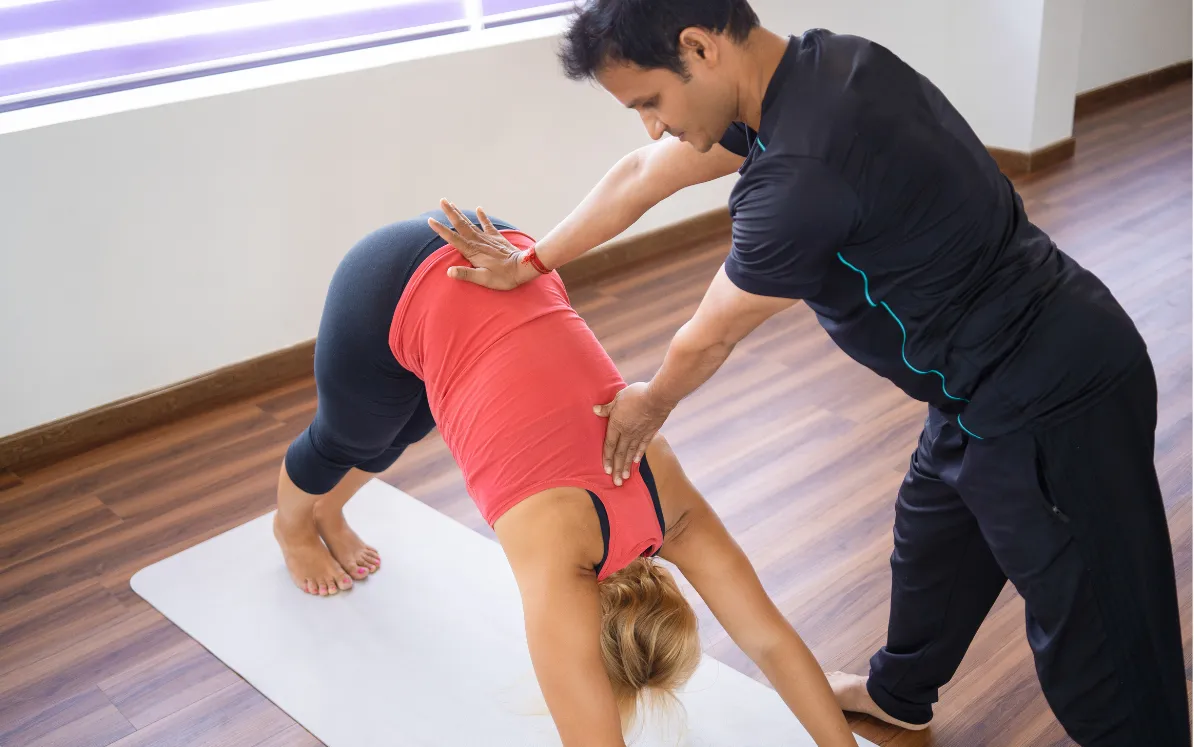
Back Pain Rehabilitation for Managing Pain and Restoring Everyday Movement
Back pain rehabilitation helps manage discomfort, restore everyday movement, improve strength and flexibility, and support long-term recovery through personalised physical therapy and targeted exercises.
Continue Reading
→
11 Aug, 2026
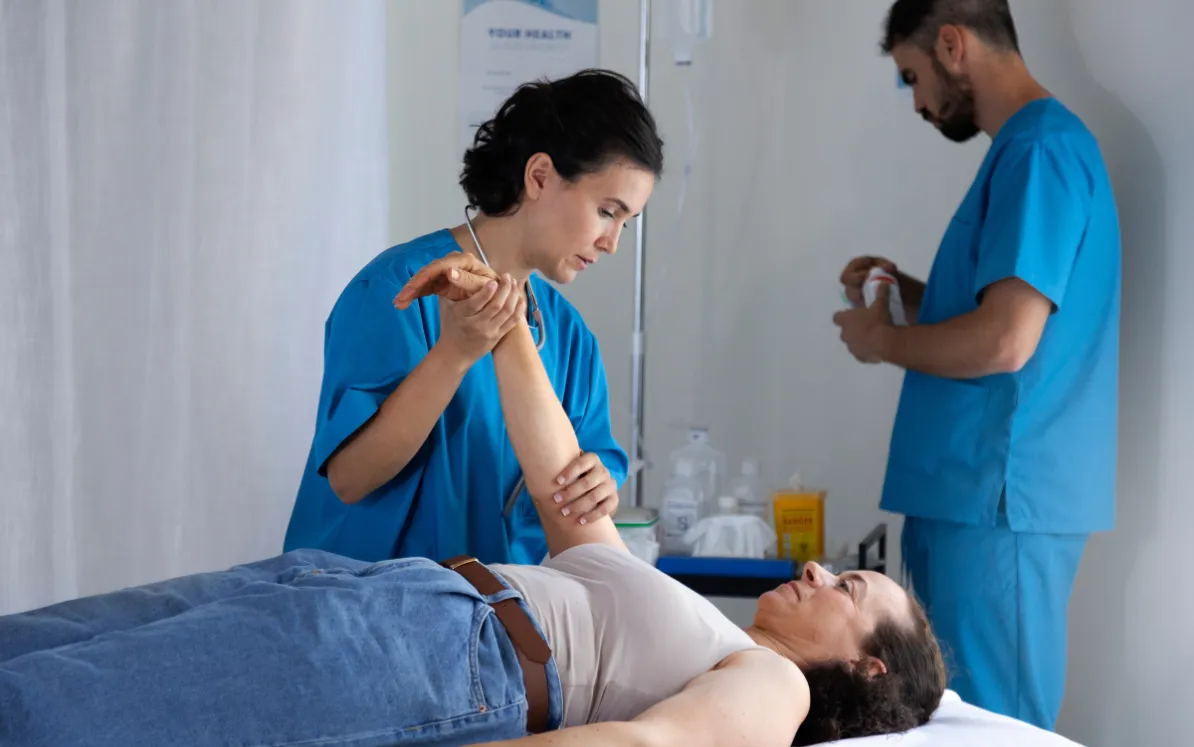
Orthopedic Physical Therapy vs Pain Medication: Which Works Better?
Orthopedic physical therapy and pain medication offer different approaches to pain management. Comparing their benefits can help patients choose effective care for mobility, recovery, and long-term function.
Continue Reading
→
07 Aug, 2026
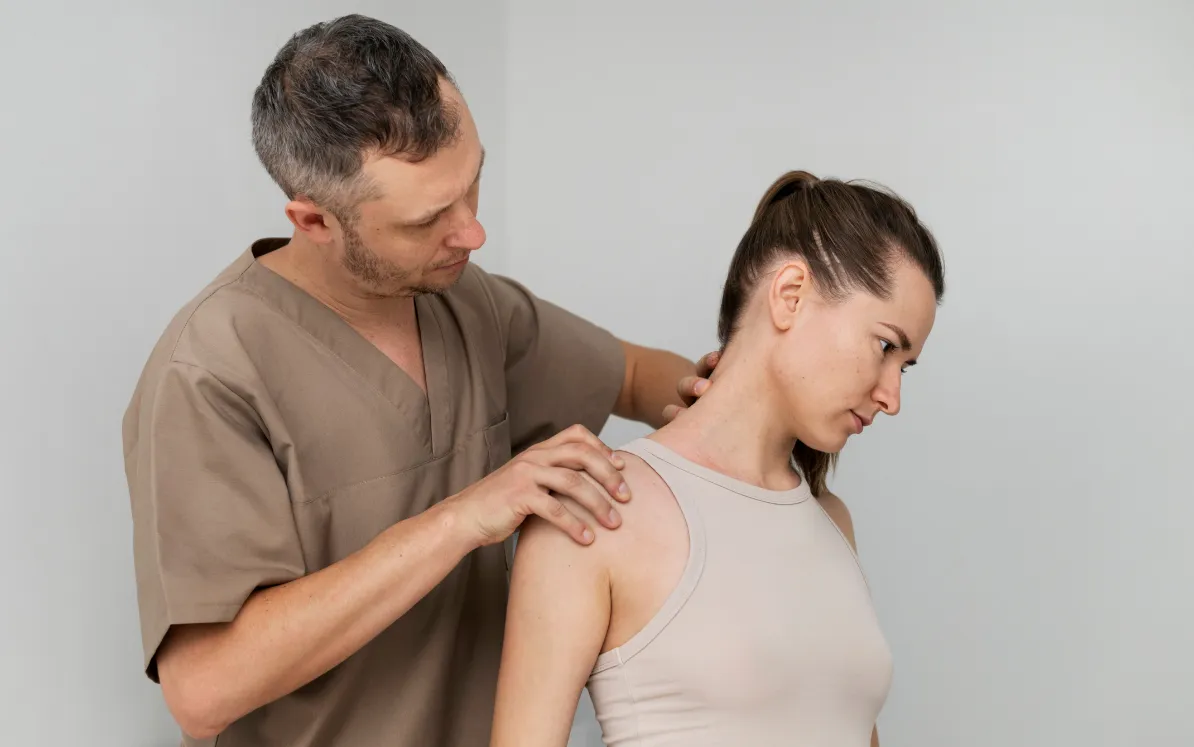
How Physical Therapy Helps Relieve Chronic Neck Pain Without Medication
Physical therapy can help relieve chronic neck pain without medication by improving mobility, strength, posture and muscle function while supporting long-term pain relief and recovery.
Continue Reading
→
16 Jun, 2026
When Should You Seek Professional Help for Back Pain?
Back pain is the kind of thing most people try to push through. You reach for the ibuprofen, maybe take it easy for a day or two, and hope for the best. And a lot of the time, that actually works — minor muscle soreness or stiffness from sitting too long usually fades on its own within a week.
Continue Reading
→
20 May, 2026
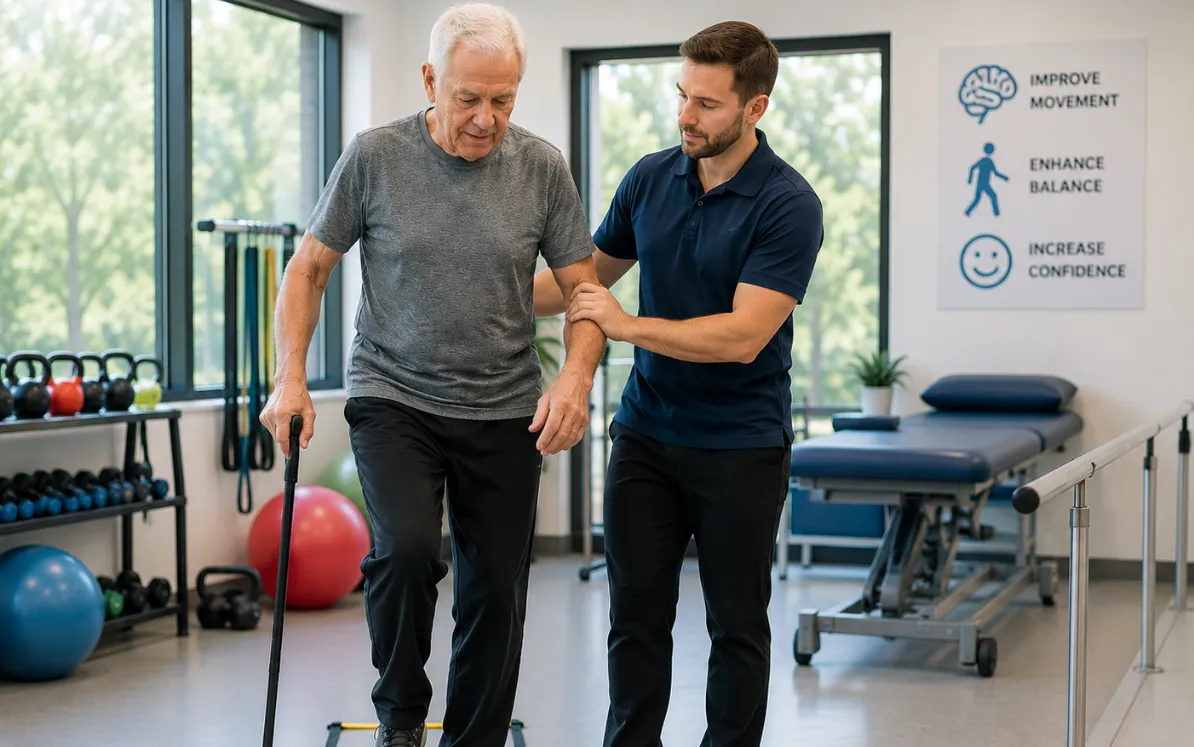
How Therapists Help Manage Parkinson's Disease Symptoms Effectively
Parkinson's disease is one of the most complex neurological conditions a person can face. It is progressive, unpredictable, and deeply personal—affecting not just movement but confidence, independence, and quality of life.
Continue Reading
→
12 May, 2026
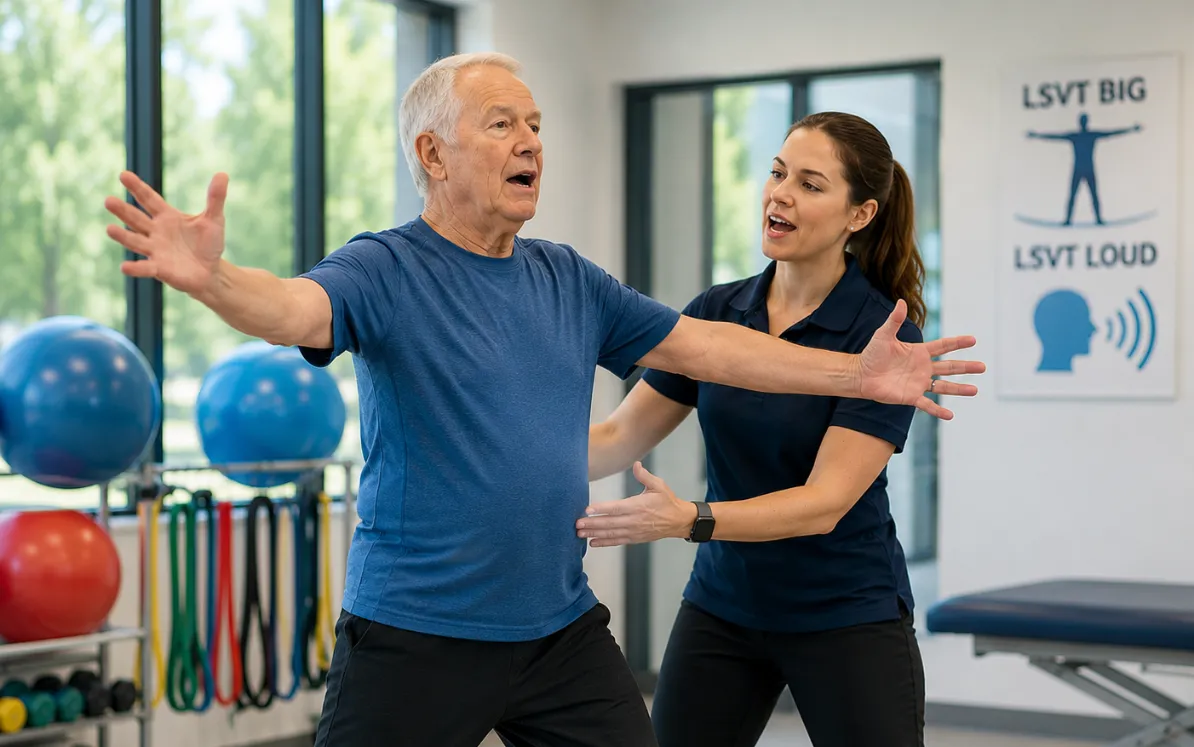
What is LSVT BIG and LOUD? Benefits for Parkinson's Patients Explained
Parkinson's disease is a progressive neurological condition that affects movement and communication in ways that are both characteristic and, without the right intervention, progressively limiting. The shuffling gait, the reduced arm swing, the stooped posture and the quiet monotone voice that many people associate with Parkinson's disease are not inevitable consequences of the diagnosis.
Continue Reading
→

 Menu
Menu