
 Menu
Menu

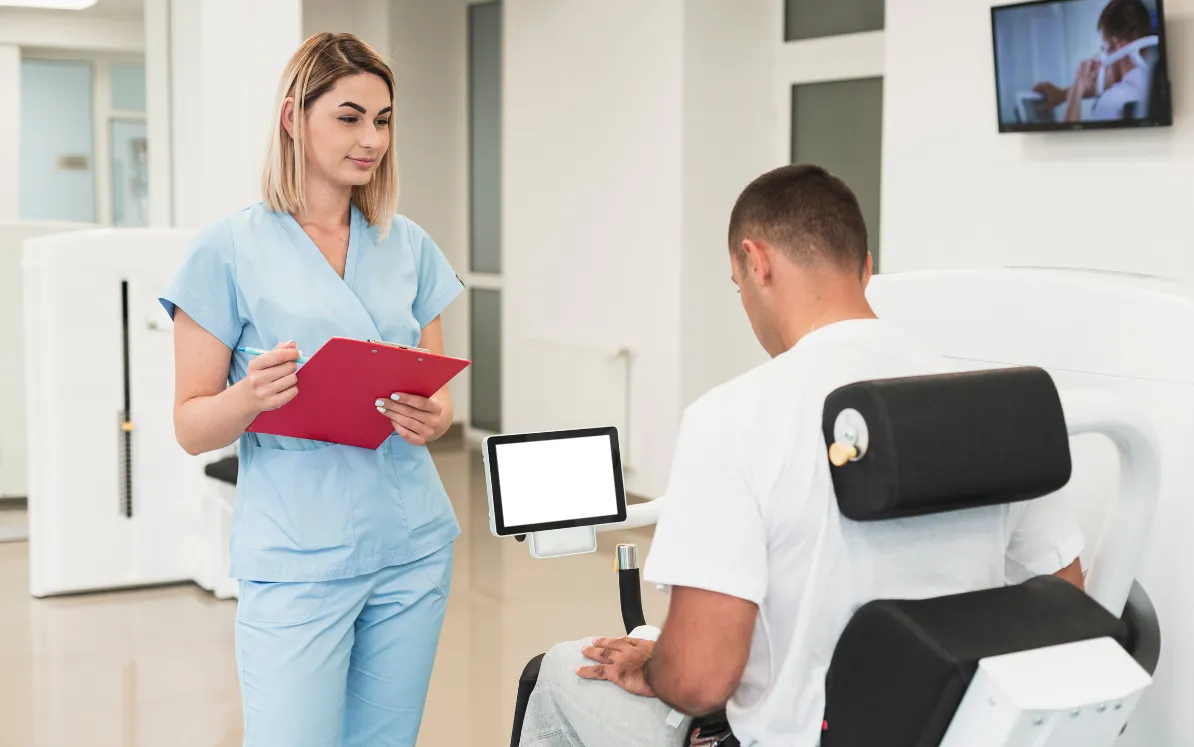
What to Consider When Choosing a Physical Therapy Clinic in Fremont
Choosing the right physical therapy expert is among the greatest measures you can take to enhance your mobility, manage pain and remedy an injury. With chronic back pain from recovery from the surgery and support following a sports injury, the care you receive has the potential to have an impact on your recovery. A suitable Physical Therapy Clinic in Fremont should offer professional guidance, individualised treatment and a supportive environment that encourages consistent progress.
While there are a number of things you need to take into account, there's more to consider than convenience. Knowing the therapist's qualifications, services, and treatment approach will help you choose the right one. A clinic that is a good fit for you can help you more easily execute your rehabilitation goals and receive meaningful, long-term benefits.
Understanding Your Physical Therapy Needs
Consider your symptoms, daily setbacks and recovery objectives prior to picking a clinic. In some cases, surgery is necessary for back or neck pain, or post-surgery, sports injuries or conditions affecting balance and co-ordination. Defining your priorities can help you locate the suitable provider that has relevant experience.
For example, individuals seeking back pain relief fremont may benefit from treatment that addresses muscle weakness, restricted motion, and posture associated with the matter. There may be a need for a progressive exercise programme for those who've undergone knee surgery. If the injury is associated with a sport, it may be necessary for the individual to undergo a progressive rehabilitation programme in order to safely return to that sport.
Use the goals as the criteria for selecting. A clinic that is aware of your condition and takes a thorough look at your limitations will be better able to create the programme that is best for you.
Important Factors to Consider When Choosing a Physical Therapy Clinic
There are a number of things you can look for to see if a clinic is right for you and your rehabilitation needs. Going through these areas prior to treatment can help you select a provider that values the importance of professionalism, personalised service and tangible improvements.
Qualifications and Experience of Physical Therapists
One of the most initial aspects to keep in mind is the qualifications and clinical experience of the physiotherapists. Find suitably qualified staff with training in the assessment, treatment and follow-up of your condition. Sometimes, working experience with a specific injury or rehabilitation objective will also be helpful.
For example, a patient recovering from a sports injury might want a therapist who is used to progressive strength training, movement assessment and return-to-sport programming. Neurological conditions may necessitate special training involving balance and coordination and functional mobility by professionals who specialise in these areas.
As you investigate physical therapy in Fremont, California, check out the experts' qualifications and speciality. Ask the therapist about his or her experience treating your condition and how he or she will track your progress through therapy.
Range of Physical Therapy Services Available
As needs evolve, there can be greater comprehensive support in a clinic that has a suitable range of services. Treatment includes orthopaedic physical therapy, manual therapy, therapeutic exercise, sports rehabilitation, post surgical recovery or neurological rehabilitation depending on service provider.
In the case of sports injuries, therapy from Fremont may aid patients to recover strength, increase flexibility, and gain confidence after getting injured. Similarly, knee replacement rehab therapy can support the gradual restoration of knee movement, balance and everyday function after surgery.
Specific programmes and support are available for patients with Parkinson's disease to help cope with movement challenges. A good therapist can work with the person with Parkinson's disease to assist in mobility, coping with balance difficulties, and maintaining independence things that may be of great benefit during treatment.
Personalised Treatment Plans and Patient Care
Patients are all unique in their physical abilities, symptoms and goals of recovery. A good clinic should start with an evaluation and draw conclusions from that to create a treatment programme based on the individual's condition.
The exercises, treatments and progression are tailored to how you respond to the treatment, known as personalised care. All interventions should be explained to you by your therapist; realistic goals should be discussed, and improvement should be reviewed periodically.
Don't assume that the same programme will work for all people with a diagnosis. Personalised treatment can take your activity level, medical history, hindrances to function, and priorities into consideration, thereby making rehab more relevant and manageable.
Treatment Techniques and Rehabilitation Equipment
The treatment method used and equipment you'll be working with can also have an impact on your decision. Your rehabilitation can include resistance exercises, balance training, mobility exercises, hands-on or specialised equipment – depending on your specific condition and/or requirements.
But, without advanced equipment, effective care cannot be delivered. What is important is that the therapist knows what techniques to use and how to use them to assist in the rehabilitation goals.
Enquire about the balance of the clinic between supervised sessions and independent exercises, as well as functional training. Getting from a balance position will allow you to build up strength, coordination and movement skills outside of the treatment room.
Why Clinic Location and Accessibility Matter in Fremont
Convenience is a key factor to keep in mind, as it's possible you may have to go back for a number of appraisals extending over several weeks for rehabilitation. Being close to your home, office or daily travel can feel less daunting and make it more likely you'll make all of your appointments.
Before comparing clinics in Fremont, take into account travel times, parking, appointment times and meeting accessibility for people with mobility issues. If you have a job or family life to fit into, flexible scheduling can also be beneficial.
Post-surgical rehab and recovering from longstanding pain are when consistency is especially vital. A provider who is convenient to the patient can minimise some of the limitations that could prevent him from making appointments or cause disruptions in treatment.
How to Evaluate the Quality of Patient Care
Patient care goes beyond the skills that a clinic has. Patients need to feel that they are listened to and that their rehabilitation is comprehended and that they are guided using their progression and concerns.
At an initial consultation, think about if the therapist takes time to look at your movement, discuss your objectives and offer a great explanation of the strategy he or she will use. It works best to set clear expectations and routinely check your progress to determine how treatment is helping you get better.
Reviewing Patient Feedback and Clinic Reputation
The information that can be gleaned from patient reviews can be very valuable in terms of their experiences with the appointment, overall patient treatment, the clinic's organisation and the interaction they had with staff. Take a number of reviews instead of one or the other.
Identify commonalities, e.g., perceptions of respect, clear communication, and lack of hassles for appointment booking. Reviews ought to be analysed together with professional credentials, clinic information and your very own assessment of the clinic.
While a good reputation may soothe, you should always consider the one who’s been best suited for your needs with their expertise and treatment approach.
Understanding Communication Between Patients and Therapists
Effective communication enables patients to deliver an understanding of the condition, treatments and likely recovery. Your therapist should be clear in explaining the exercises, listen to your concerns and allot time to ask questions.
Also feel free to report a sensation of pain, feeling tired or having trouble with an exercise. Communication opens the door for the therapist to adjust activities as needed and helps to ensure that treatment is appropriate throughout treatment phases.
Assessing Patient Education and Home Exercise Support
Rehabilitation doesn't "stop when it stops. Consequently, patients might be able to make progress at home on their own and then transfer these skills to daily activities with the support of guidance and practice in the class.
Instructions should be clear, realistic and suitable to your level provided in a suitable clinic. Your therapist may give you information on safe movement methods, activity modifications, and how to develop gradually moving stronger.
Sustained education can be a useful reinforcement technique for patients who have neurological conditions, such as those requiring Parkinson's physical therapy from Fremont or Parkinson's physical therapy in Murrieta, CA, and can assist in independent living. All treatment should be based on individual needs and assessment.
Choosing the Right Physical Therapy Clinic in Fremont
Once you have listed all the parties' qualifications, services, availability and patient care, decide which clinic will fit your recovery needs the most. Before undertaking a programme, find out what the first assessment is like, how often treatment will be needed, how the therapist will monitor how your condition is doing, and about his or her experience of treating your condition.
In support of healthcare enterprises, it is possible to supply top-quality physical therapy treatments that can reinforce patient connections, foster continuity of treatment and participate in a local community. The services include orthopaedics and musculoskeletal, sport injuries and recovery after surgery as well as neurological care, which helps to cater to a wider range of needs for patients. Good communication, professional standards and patient-specific treatment also play a role in a positive patient experience.
Instead of price and location, find one who considers practical and clinical support. The right fit should let you know what your treatment is like, join with confidence in rehabilitation, and make healthy progress.
Conclusion
There are some things to consider when making a choice in a physical therapy clinic that is based on your condition, your goals for your healing and the support that you can get from a professional. Service options, treatment tailored to the individual, easy access to services and communication are all factors of a good rehabilitation experience.
Choosing a clinic that is attuned to your needs is your first step if you're feeling trouble with your back, suffering from sports injuries, recovering from knee replacement surgery or have neurological movement problems. Thoroughly researching and reviewing providers and the questions you should ask will help you to make a decision and discover a rehabilitation programme that will assist your mobility, function and long-time wellness.
Frequently Asked Questions
Q1. How do you know if a physical therapist is good?
A good physical therapist listens carefully, creates personalised treatment plans, explains exercises clearly, tracks progress, and adjusts treatment according to your needs.
Q2. What are some important things to know about physical therapy?
Physical therapy improves mobility, strength, balance, and flexibility through personalised exercises and techniques that support recovery, reduce pain, and prevent future injuries.
Q3. Which of the following conditions may be treated with physical therapy?
Physical therapy can treat back pain, neck pain, sports injuries, arthritis, neurological conditions, post-surgical complications, and mobility problems caused by injuries or illnesses.
Q4. What conditions need physical therapy?
Conditions such as chronic pain, joint stiffness, muscle weakness, sports injuries, balance difficulties, and post-surgical recovery may benefit from physical therapy.
Q5. What is the best equipment for physical therapy?
Common physical therapy equipment includes resistance bands, exercise balls, balance boards, weights, treadmills, and foam rollers, depending on individual treatment goals.


