
 Menu
Menu

Increased Risk of Falling
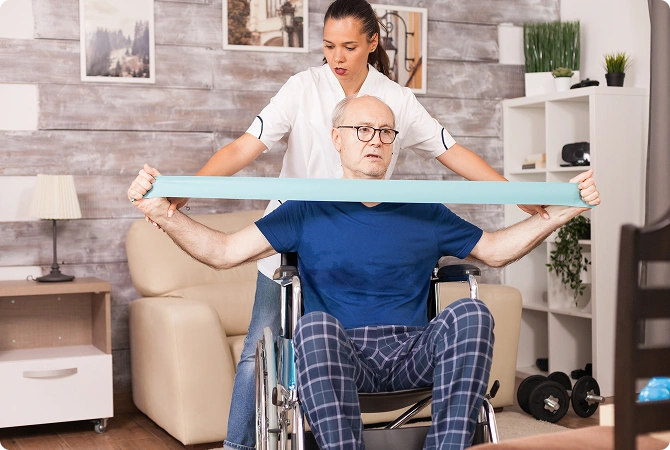
An increased risk of falling means that certain changes in balance, strength, coordination, or environment may make it harder to stay steady during movement. Some people notice they feel less secure on stairs or uneven ground. Others feel more cautious when turning, walking in dim lighting, or getting up from a chair.
You don’t need to have fallen to recognize changes in stability. Many people become aware of fall risk when they notice near-loss-of-balance moments, slower reactions, or reduced confidence with movement.
Falls rarely result from a single cause. They usually reflect a combination of small factors—such as strength differences, balance challenges, vision changes, medication effects, joint stiffness, or environmental obstacles. When several of these overlap, stability may feel less reliable. Recognizing these patterns early can help support confidence and mobility.
How Increased Fall Risk Can Affect Daily Life
Even without a recent fall, people may begin to:
- Move more slowly or cautiously
- Avoid stairs, slopes, or uneven surfaces
- Hold onto furniture or railings
- Limit walking distance
- Feel hesitant when turning or changing direction
These adjustments are common and often protective. Over time, however, reducing activity can influence strength and balance, which may further affect stability.
Common Factors That Influence Fall Risk
These describe contributing patterns, not diagnostic criteria.
Common factors may include:
- Reduced lower body strength
- Slower reaction time
- Changes in vision or depth perception
- Joint stiffness or pain
- Medication side effects
- Cluttered or uneven environments
- Fatigue affecting coordination
Even small changes in more than one area can make it harder to recover from a trip, quick turn, or unexpected shift in footing.
How Physical Therapy Can Help
Physical therapy for fall prevention focuses on improving the systems that support balance and stability. Care may include exercises that target strength, coordination, posture, reaction time, and walking mechanics.
A physical therapist may assess:
- Walking patterns and turning mechanics
- Balance responses responses and recpverys trategies
- Strength and joint mobility
- Movement confidence
- Environmental challenges at home or in daily life
Care is guided by how fall risk concerns affect your routine and which activities you want to feel safer performing.
Treatment may include:
- Targeted lower-body strengthening to support stairs and sit-to-stand movements
- Progressive balance training that safely challenges stability
- Practice recovering from small, controlled balance disturbances
- Turning and directional-change drills
- Gait training to improve steadiness and efficiency
The goal is not just to improve strength or balance in isolation, but to help you feel more secure during real-life movement.
Signs That Stability May Be Changing
While increased fall risk is not a diagnosis, people often notice:
- Feeling unsteady while walking
- Frequent near-misses or stumbles
- Difficulty recovering after tripping
- Hesitation with stairs or curbs
- Fatigue affecting steadiness
These experiences often overlap with poor balance or difficulty walking, which are explored further on related pages.
Frequently Asked Questions
If balance feels less steady, reactions feel slower, or confidence with movement has changed, fall risk may be increasing. Often, several small factors combine.
Fall risk can change over time, but many contributing factors—such as strength, balance, and movement strategies—can be improved.
Yes. Some medications may influence alertness, coordination, or blood pressure, which can affect stability.
Improving strength, balance, walking mechanics, and environmental awareness can help support stability.
Yes. Physical therapy can help improve movement control, reaction time, and confidence to support safer mobility.
No. Addressing balance or stability concerns early may help support independence and confidence before a fall occurs.
Related Conditions
Some people with increased fall risk also explore information related to:
These pages explore how balance and movement changes may influence stability.
Learn More About Physical Therapy
If you’d like more information about what to expect during physical therapy, visit our Patient Resources page.
Get Started
If concerns about fall risk are affecting your daily life, a physical therapy evaluation may help identify movement patterns, contributing factors, and next steps for care.


